
Understanding the psychology behind gambling behavior in casinos
The Allure of Casinos
The environment of a casino is meticulously crafted to capture attention and create an immersive experience. Bright lights, enticing sounds, and the thrill of the game draw individuals in, often eliciting feelings of excitement and anticipation. This carefully designed atmosphere plays a significant role in influencing gambling behavior, making it easy for newcomers to become entranced by the possibilities that lie ahead, especially as they explore options like online slots.
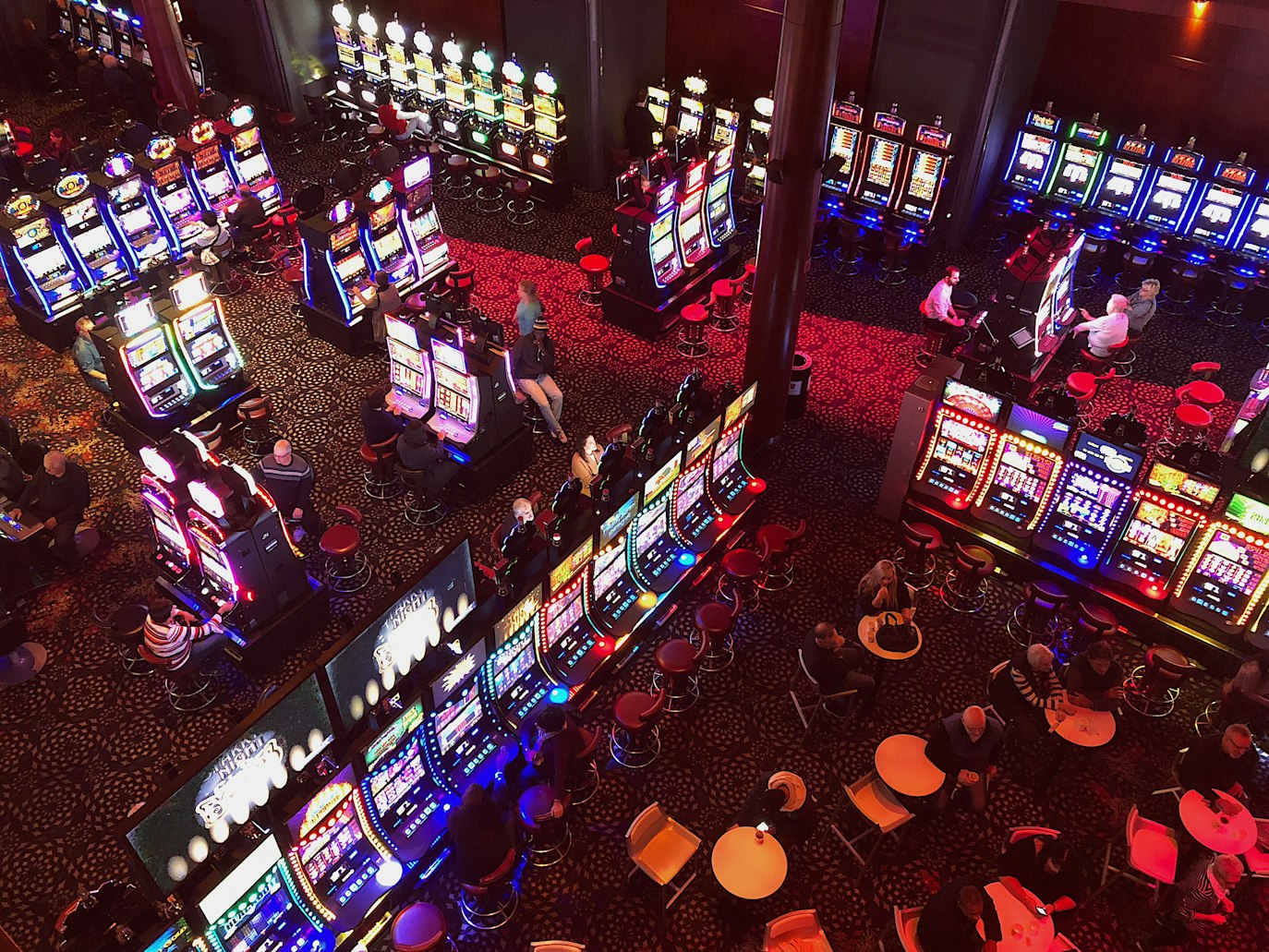
The sensory overload experienced in a casino can alter an individual’s decision-making processes. The immediate rewards associated with winning—whether it’s a jackpot or a simple win at a slot machine—create a rush of dopamine, reinforcing the desire to continue playing. This powerful reaction can lead to extended gambling sessions, as individuals chase the emotional high that comes with each win.
The Role of Cognitive Biases
Cognitive biases significantly affect how individuals perceive their chances of winning in a casino. For example, many gamblers fall prey to the “gambler’s fallacy,” where they believe that past outcomes will influence future results. This misconception can lead to overconfidence and increased betting, as players often assume that luck is about to turn in their favor after a series of losses.
Additionally, the illusion of control is prevalent in gambling behavior. Many players believe that they can influence the outcome of games of chance, such as dice rolls or card draws. This psychological trick encourages continued participation, despite the inherent randomness of these activities, making it easier for players to rationalize their losses and remain engaged.
Emotional Factors in Gambling
Gambling often serves as an emotional outlet for many individuals. People turn to casinos not just for the thrill of winning, but also to escape from daily stressors and emotional burdens. The act of placing a bet can provide a temporary distraction from problems, creating a sense of euphoria that can be hard to resist.
Another emotional factor is the social aspect of gambling. Many people enjoy the communal experience of playing games with others, enhancing feelings of camaraderie and excitement. This social engagement can further amplify the allure of gambling, making it not just a solitary activity, but a shared adventure that fosters connections and memories.
The Impact of Addiction
Gambling addiction is a serious concern for many individuals, affecting not only the gamblers themselves but also their families and communities. The thrill of winning can quickly spiral into compulsive behavior, leading to significant financial and emotional distress. Understanding the psychological underpinnings of gambling addiction is crucial for prevention and intervention efforts.
Recognizing the signs of gambling addiction is essential for those involved. Symptoms may include preoccupation with gambling, increasing amounts of time and money spent, and neglecting personal responsibilities. Awareness and education about these behaviors can empower individuals to seek help before their gambling habits become destructive.
A Platform for Awareness and Support
Understanding the psychology behind gambling behavior is vital for creating a safer gambling environment. Resources and platforms aimed at educating individuals about responsible gambling practices can play a significant role in prevention and awareness. Such platforms can provide valuable information, helping players make informed decisions and avoid the pitfalls of addiction.
By promoting awareness and offering tools for self-assessment, these platforms can empower individuals to recognize their gambling habits and seek support if needed. Ultimately, fostering a deeper understanding of gambling psychology helps cultivate a healthier approach to gaming, benefiting both individuals and the larger community.